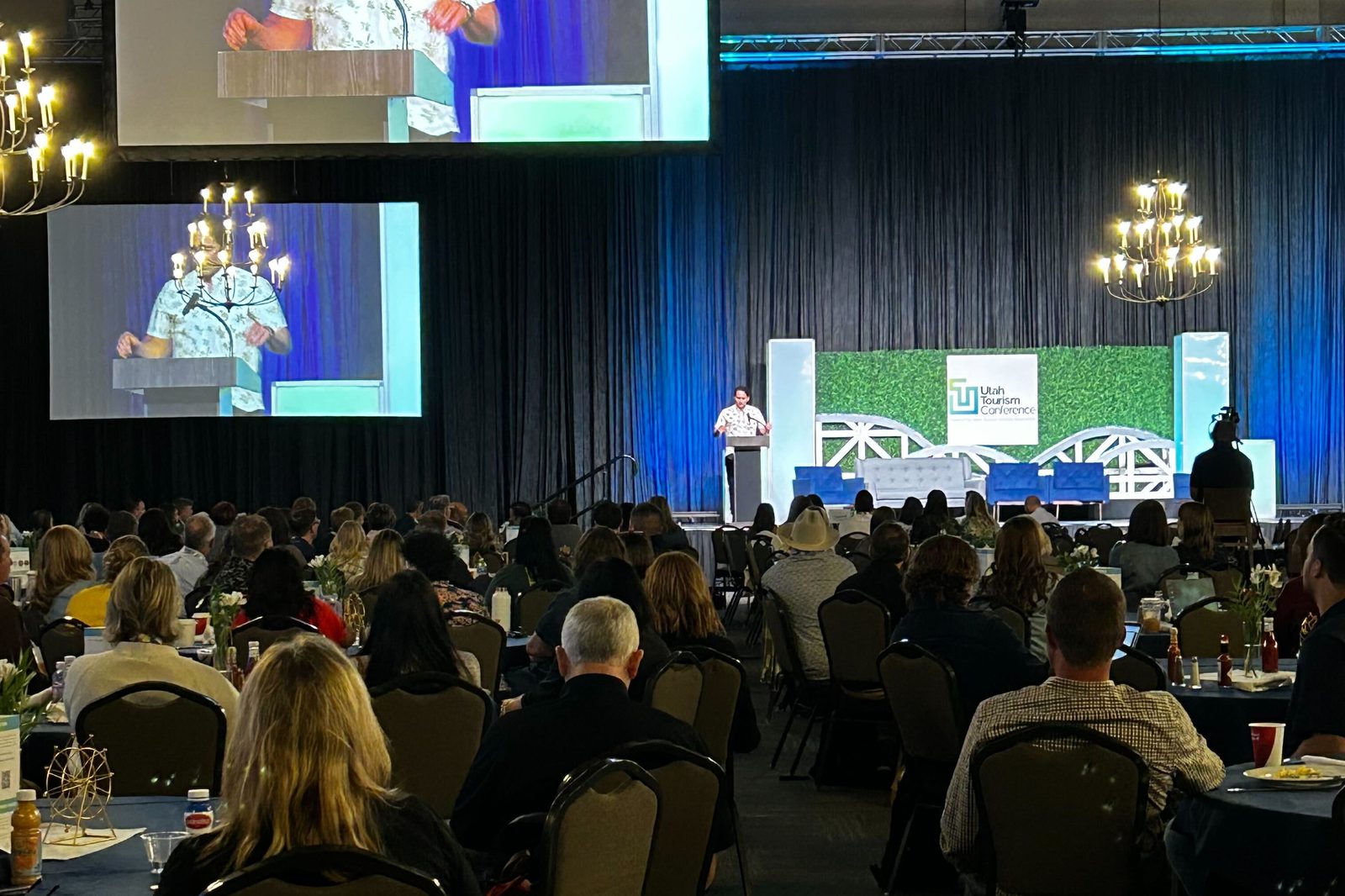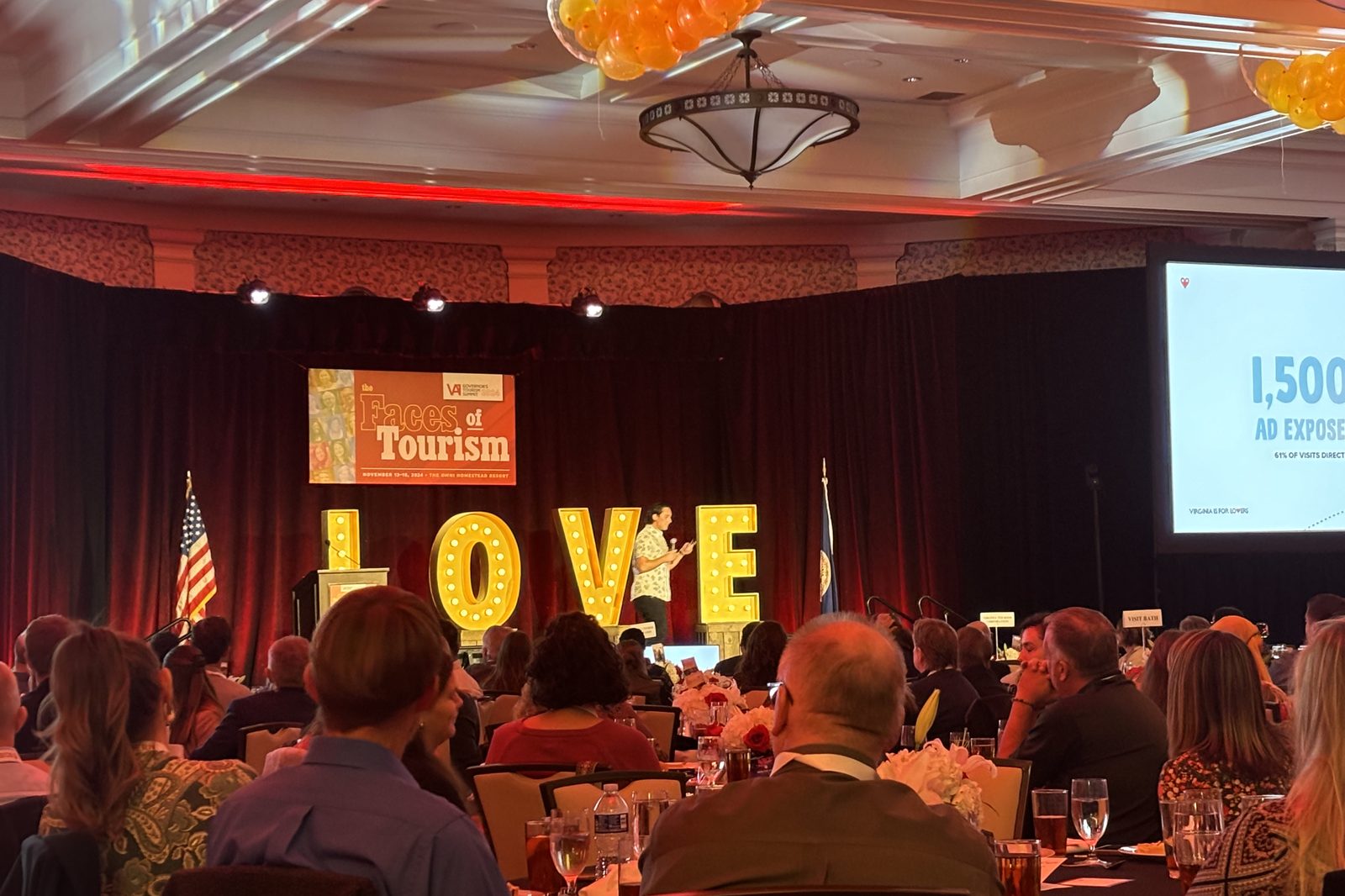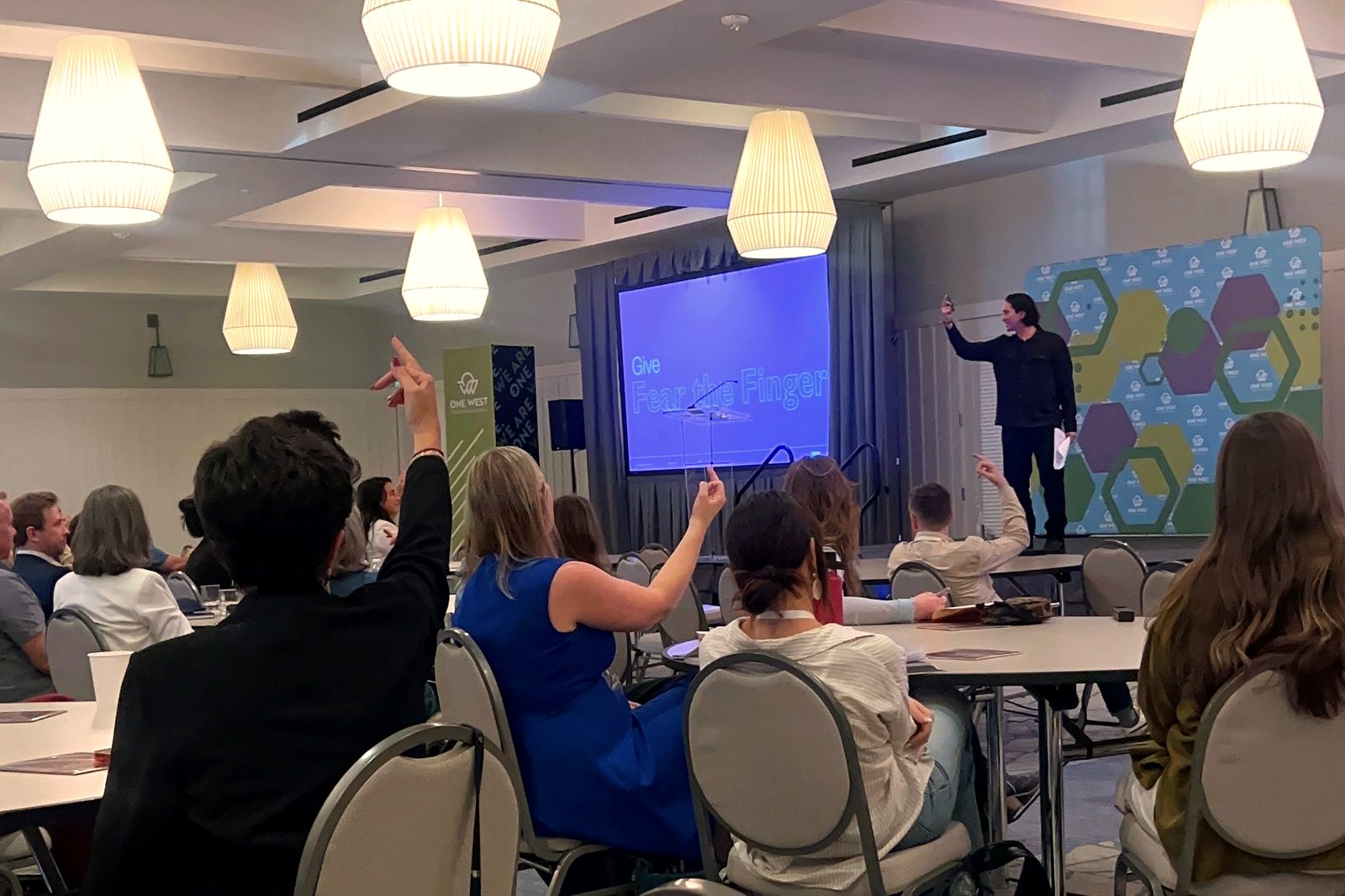
Jonathan Smithgall on stage at OneWest, the audience with hands raised
OneWest, 2026. The slide says “Give Fear the Finger.” They did.

Nobody chooses anything for the reason they think they did.

I have spent my career chasing one question: Why do people believe what they believe, and choose what they choose?

That question has taken me through advertising strategy, behavioral economics, tourism research, ancient philosophy, and more academic papers than I'd care to admit. Along the way I've learned something both obvious and unsettling: people rarely choose anything for the reason they think they did.

Today I'm Chief Vision Officer at Love Communications, where I help set the direction of the agency and help destinations, hotels, and brands understand the people they're trying to reach. My talks aren't really about marketing — they're about human nature. Marketing just happens to be one of the best places to study it.

We asked him back as our opening keynote because we knew he'd set the tone from the start. If you want someone who can energize a room and make a real impact, Jonathan is a no-brainer.

Melyssa Reeves President & CEO, One West Tourism Alliance
Keynotes

Six talks I'd put my name on

Big questions. Abstract ideas. Data underneath all of it. Each talk starts with a question I can't quite leave alone, then follows the research, history, philosophy, and evidence wherever they lead.

What Is Choice

What if giving people more options is actually making it harder for them to choose you?

We tend to treat choice and options as the same thing. They aren't. Options are inventory. Choice is the cognitive work of comparing, weighing, and committing. This talk follows that distinction through behavioral science, culture, advertising, and travel — from Hick's Law and choice overload to maximizers and satisficers, family buying roles, gatekeepers, and choice architecture. The argument underneath it all is that great marketing doesn't simply provide more things to want. It makes the decision easier to understand.

45–60 min · Keynote

  • Why options and choice are fundamentally different
  • When abundance creates engagement — and when it creates paralysis
  • Why vacations can turn ordinary travelers into maximizers
  • How initiators, influencers, gatekeepers, buyers, and users shape one decision
  • Why decision simplicity can improve both conversion and satisfaction
Stoic Wisdom for Marketing Leaders

How do you lead effectively in a profession where so much of the outcome is outside your control?

Marketing leaders operate inside uncertainty. Campaign performance, economic conditions, competitors, algorithms, client changes, traveler behavior, and even luck can influence the outcome of work we are still expected to own. The Stoics spent centuries thinking about exactly that tension. This talk uses control, virtue, perception, and daily practice as a framework for modern leadership, then applies those ideas to decision-making, ego, adversity, and the discipline of turning obstacles into information rather than excuses.

45–60 min · Keynote

  • How to separate responsibility from control
  • Why calm can become a competitive advantage
  • How virtue translates into integrity in leadership decisions
  • Why perception determines whether obstacles become setbacks or information
  • How to turn Stoic ideas into repeatable leadership rituals

The History of Advertising

What has actually changed in advertising — and what have we simply renamed?

Every generation of marketers believes it is living through the industry's greatest disruption. Sometimes they're right about the technology. They're usually wrong about the people. From early print advertising and patent medicine through mass media, Madison Avenue, television, the internet, social platforms, targeting, and today's algorithmic world, this talk is part history lesson, part gallery of extraordinary work, and part argument that the fundamentals of persuasion have moved surprisingly little even while almost everything around them has changed.

45–60 min · Keynote

  • The ideas advertisers keep rediscovering under new names
  • What historic advertising understood about attention and persuasion
  • Why technological change rarely means psychological change
  • What today's marketers can steal from people who had far fewer tools

Religion & Branding

Why have the world's most enduring belief systems succeeded at something brands spend billions trying to create: belonging?

Long before anyone wrote a brand strategy, human beings were building systems of symbols, stories, rituals, communities, shared language, moral purpose, and identity. Religion & Branding examines what happens when we look at modern brands through that much older lens. The point isn't that brands are religions. It's that many of the things marketers now describe as community, purpose, identity, ritual, symbolism, and belonging have been practiced and refined by religions for thousands of years. Emotion may draw us in. Belonging is what makes us stay.

45–60 min · Keynote / Conversation

  • What enduring religions teach us about building community
  • Why ritual and symbolism are so powerful
  • The difference between having customers and creating belonging
  • Where brands borrow from religion — and where the analogy breaks down

March Forth!

What actually happens between deciding you want something and becoming the person willing to pursue it?

March Forth! is my most living presentation — the only one I rebuild every year. Its roots go back to Joey Reiman's Thumbs Up!, a philosophy that our founder, Tom Love, adapted into a rallying cry for Love Communications. Over the years I began adding my own experiences, research, failures, leadership lessons and philosophy until it became something uniquely my own.

Today it is a living presentation. Every year I revisit it, add new stories, retire old ones, and incorporate the lessons that life insisted on teaching me since the last version. It moves through five ideas: keep a Thumbs Up attitude. Point toward your purpose. Give fear the finger. March forth. And remember the little things. More than anything, it's about choosing action before confidence arrives.

45–60 min · Motivational Keynote · Updated Annually

  • Why optimism is a practice rather than a personality trait
  • How purpose makes difficult work easier to endure
  • Why fear often appears immediately before growth
  • The difference between thinking about change and taking action
  • Why the little things eventually become the big things

Finding Success With ADHD

What if the thing you spent years trying to control eventually became one of your greatest professional advantages?

This is the most personal talk I give. I was diagnosed with ADHD as a kid and spent years trying to become better at fitting into systems that weren't designed for the way my brain naturally worked. This presentation isn't about curing ADHD or criticizing medication. It's about learning who you are beneath both.

Through stories about school, athletics, medication, public speaking, failure, relationships, creativity and eventually leadership, I share the long journey of discovering that many of the qualities I once viewed as weaknesses — curiosity, energy, unconventional thinking and seeing stories hidden inside data — ultimately became the foundation of my career. It's less a talk about ADHD than it is a talk about identity.

45–60 min · Personal Keynote

  • Why traits that struggle inside rigid systems can thrive outside them
  • How curiosity and energy become professional assets, not liabilities
  • The difference between managing a condition and understanding yourself
  • What it takes to build a career around how your attention actually works
Also in rotation
  • Leadership Lessons for the Next Generation

    30 min · Leadership talk

    Leadership doesn't arrive with a title. Built around the D.A.N.C.E. framework — Delegate with Purpose, Assess Your Circle of Control, Negotiate with Fear, Cultivate Stillness, and Elevate Others — this talk is a collection of lessons about trust, pressure, mistakes, growth, and becoming responsible for the environment in which other people do their best work.

  • Media in the Modern Era

    45–60 min · Media & strategy

    Marketers used to ask where to find their audience. The better question now is how people discover information at all — as streaming overtakes TV, AI reshapes search, and attention fragments. A look at how consumer behavior is shifting, why media planning looks nothing like it did a few years ago, and how brands adapt without chasing every new platform.

Stages

Where I've spoken

  • Destinations InternationalNational
  • eTourism SummitNational
  • Virginia Governor’s Tourism SummitState
  • Travel South Dakota State ConferenceState
  • Utah Tourism Industry AssociationState
  • OneWestRegional
  • Marketing forums, Salt Lake CityLocal
About

I keep coming back to the same question.

I have always been fascinated by the stories hiding underneath the obvious answer. Give me a spreadsheet and I'll start looking for the human behavior buried inside the numbers. Give me a modern problem and there's a good chance I'll start by looking backward — into old advertising campaigns, behavioral research, ancient philosophy, religious history or forgotten case studies — to see whether someone has already wrestled with the same question.

That's become the thread running through both my career and my presentations. I don't just enjoy finding data. I enjoy finding stories in data. I don't study history because I like history. I study history because people change more slowly than technology does.

Whether I'm researching travel trends, the history of advertising, Stoicism, behavioral economics or religion, I'm really chasing the same question: why do people believe what they believe — and choose what they choose?

I still don't think I've answered it. But every presentation gets me a little closer.

By day I'm Chief Vision Officer at Love Communications in Salt Lake City, where I've spent my career in media and strategy — much of it alongside travel and tourism organizations. Outside of work, I'm usually traveling with my family, or turning whatever we did together into a film that is probably longer than anyone asked for.

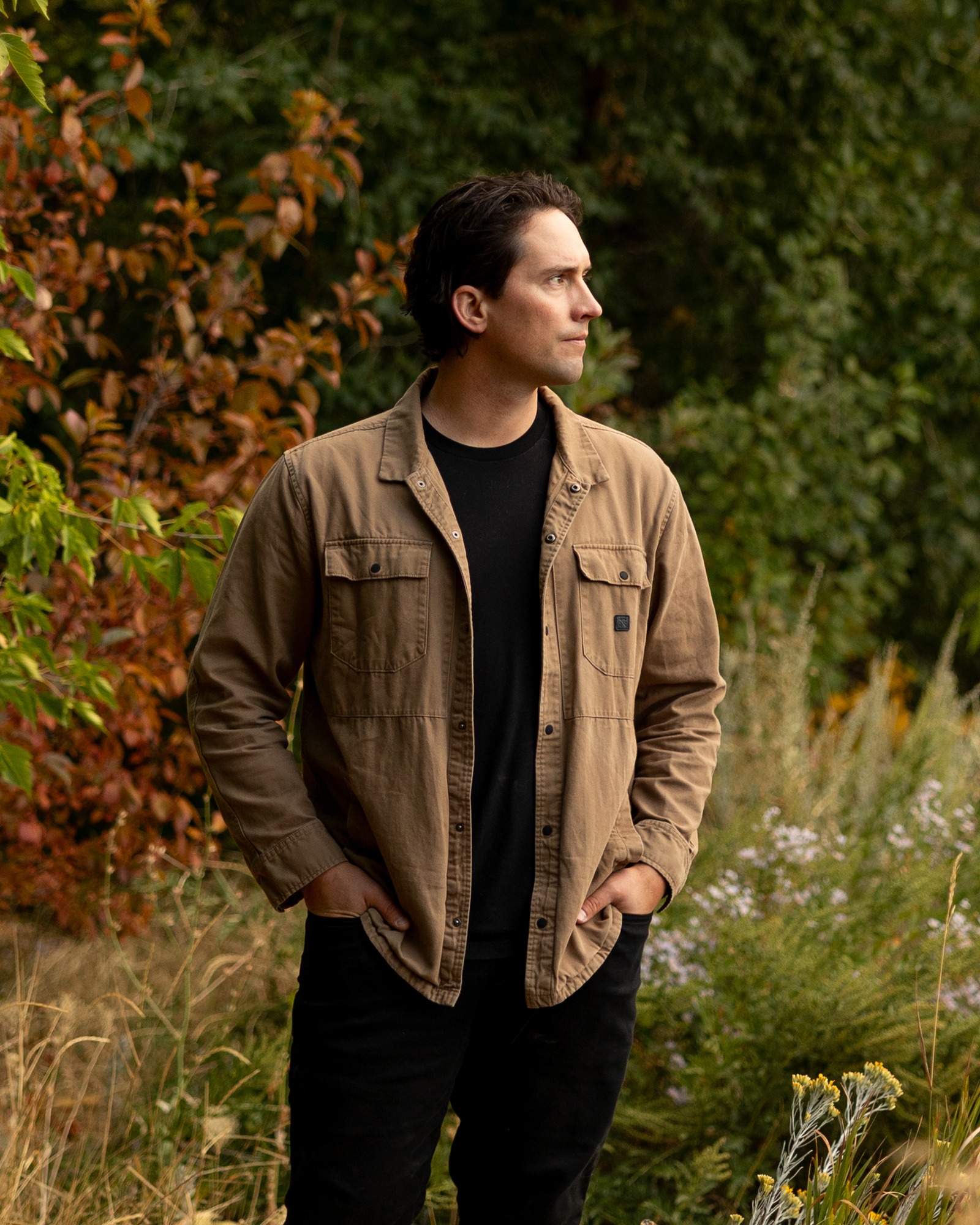
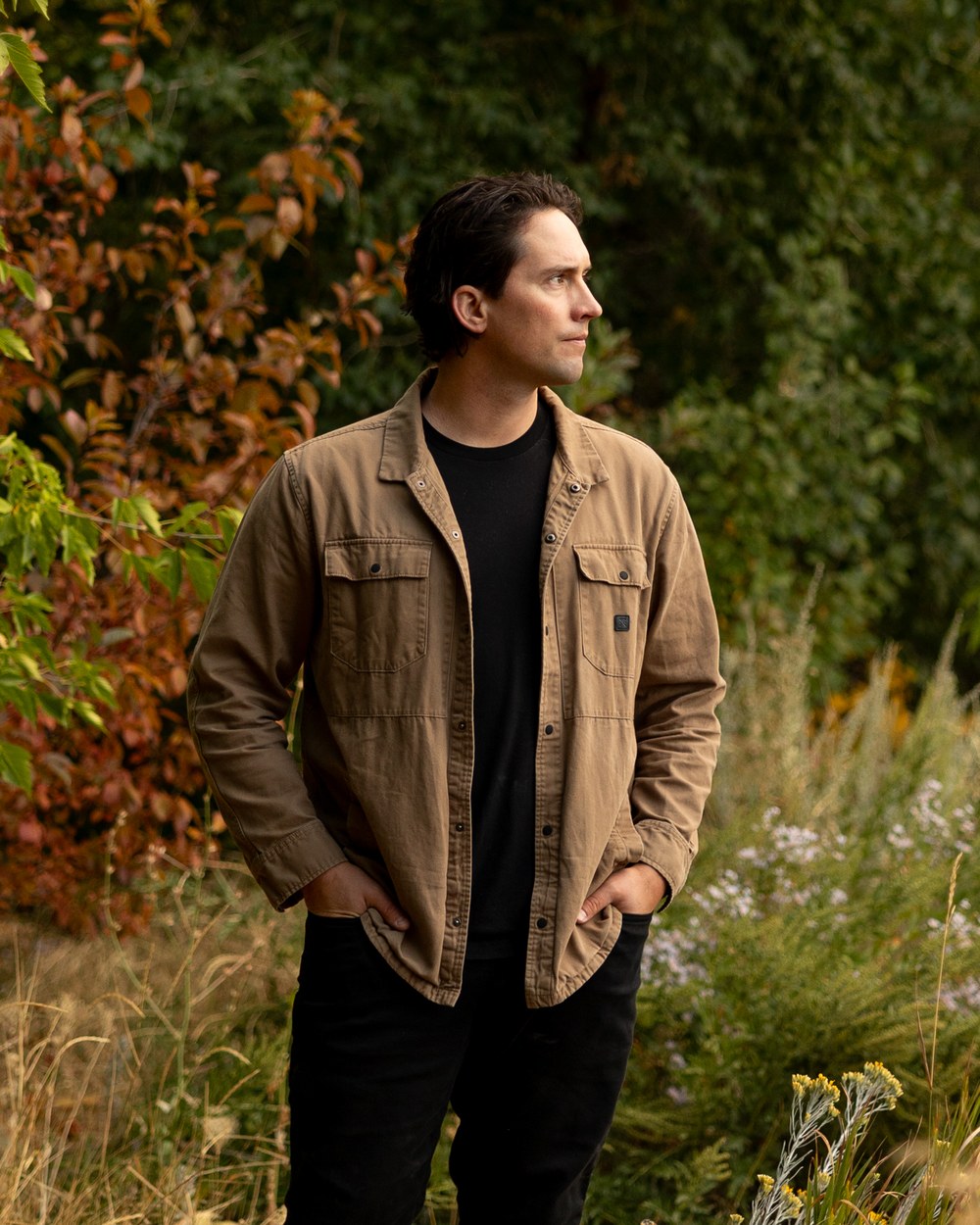
Portrait of Jonathan Smithgall outdoors in autumn light
High-res in the organizer kit.
From the road

I study destinations for work, and choose more of them on vacation

Travel became part of my career. Thankfully, it was already one of my favorite things to do. I love traveling for work because I get to study destinations. I love traveling for vacation because I get to experience them.

I bring a GoPro almost everywhere. My wife brings the DSLR. Somewhere between the two of us we usually come home with thousands of photos, way too much video, and at least one story we'll still be telling years later. Maybe that's why tourism has always felt like such a natural fit.

Holding my husky on a rocky trail at sunrise, fall colors behind us
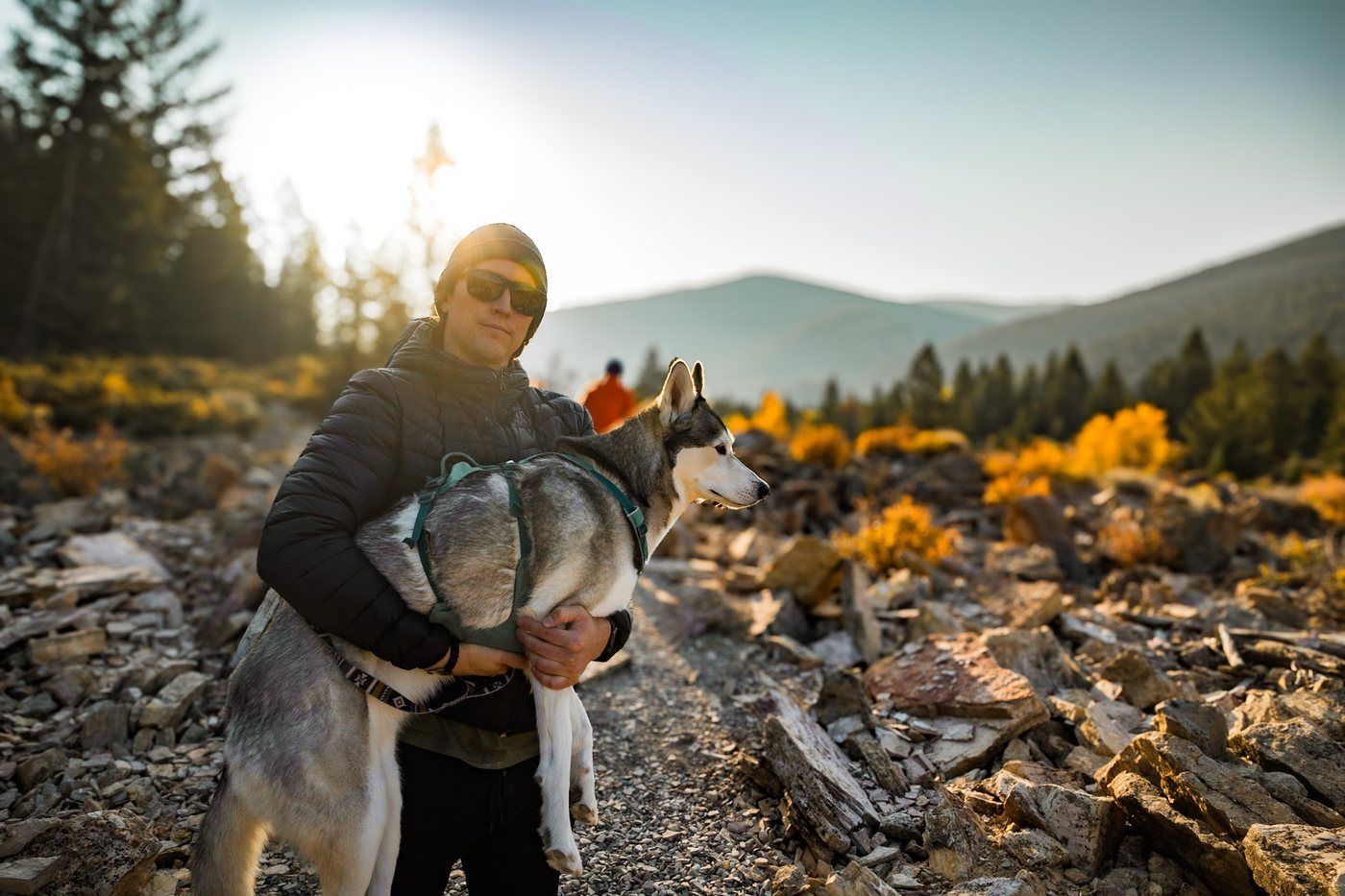
Somewhere above the fall color, holding Ghost — who does not hike so much as supervise.
Haystack Rock at Cannon Beach under storm light, reflected in wet sand
Cannon Beach, Oregon. The storm was about to win. Worth getting wet for.
Yellow wildflowers in sharp focus with the Teton range soft behind them
Grand Teton, June. Everyone points the camera at the mountain. The mountain is rarely the interesting part.
Standing with Ghost, my husky, looking up at Corona Arch near Moab, Utah
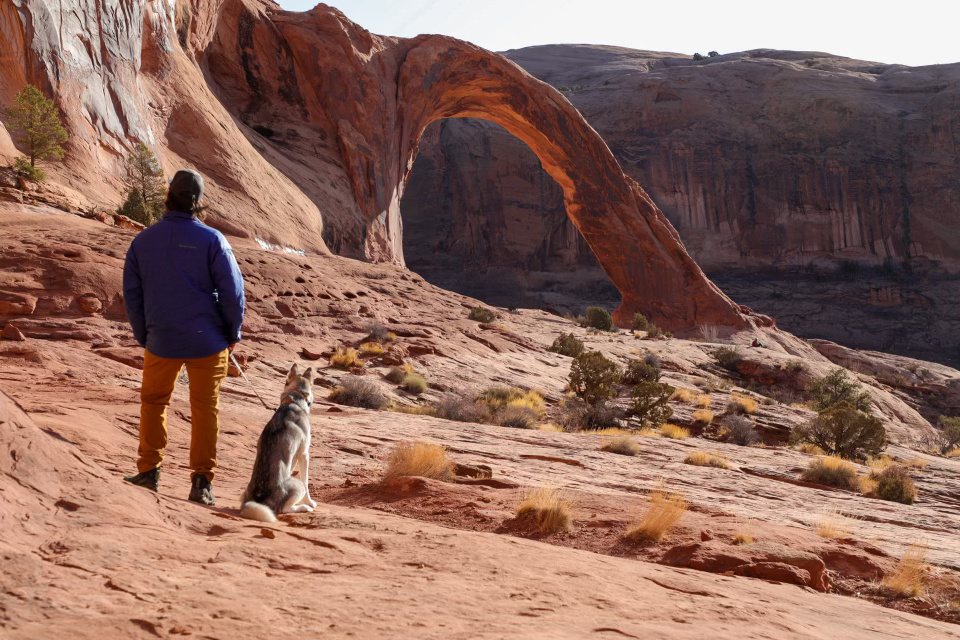
Corona Arch, Moab. Ghost was more impressed than she looks.
Snow-capped peaks mirrored in the still surface of Lake McDonald, Glacier
Lake McDonald, Glacier. Held its breath just long enough.
Sunset over tidepools and lava rock on a Hawaiian shore
Hawaii, low tide. The kind of light that makes you stop talking.
Backlit moss hanging from a tree trunk in a temperate rainforest
Sometimes the destination is a single tree, three feet away.
Tall conifers emerging from coastal fog
Fog doing the work the sun usually gets credit for.
Green volcanic ridgeline above the ocean on Oahu
Oahu, from a ridge that did not want to be climbed.
For organizers

Everything you need to put me in a program

Copy any of these straight into your materials. No need to ask.

One line

Jonathan Smithgall is Chief Vision Officer at Love Communications in Salt Lake City, where he studies why people believe what they believe — and choose what they choose.

50 words

Jonathan Smithgall is Chief Vision Officer at Love Communications, where his work centers on media and strategy. His talks explore why people believe what they believe and choose what they choose, spanning behavioral science, Stoic leadership, advertising history, religion and branding, and the changing behavior of travelers.

150 words

Jonathan Smithgall is Chief Vision Officer at Love Communications in Salt Lake City, where he helps set the direction of the agency and has built a career in media, strategy, and travel. His work begins with a question he keeps returning to: why do people believe what they believe — and choose what they choose? That curiosity has led to talks on behavioral science, Stoic philosophy, leadership, the history of advertising, religion and branding, and the forces shaping modern travel. Jonathan presents research-heavy ideas as accessible stories, combining published evidence, industry data, history, and practical experience without sanding off the complexity. He has spoken at Destinations International, eTourism Summit, OneWest, and tourism conferences across the country. Outside of work, he is usually traveling with his family — and making a film about it afterward.

Get in touch

Have a question worth putting in front of a room?

smithgalljonathan@gmail.com

If you're considering me for a conference, board meeting, leadership retreat, workshop, or something harder to categorize, send me the audience, the date, the amount of time you have, and what you want people thinking about when they leave. If one of my existing talks fits, great. If it needs to be adapted, we can talk about that too.